How has the roundtable discussion definition evolved?
roundtable discussion definition
The concept of a roundtable discussion has a long history, rooted in the idea of equality and open dialogue. Traditionally, the roundtable discussion definition referred to a meeting format where all participants sit together without a hierarchical setup, encouraging free exchange of ideas. This method was initially popularized in organizational and educational settings as a way to ensure that every participant’s voice was heard, promoting collaborative decision-making and inclusive problem-solving. Unlike formal meetings dominated by a single speaker, the roundtable structure emphasized shared responsibility and engagement, making it particularly effective for brainstorming and policy discussions.
Over time, the roundtable discussion definition has expanded beyond formal settings to include virtual and hybrid platforms. With the rise of digital communication, roundtable discussions are no longer confined to a physical table. Modern interpretations allow participants from diverse geographical locations to contribute equally through online conferencing tools, video calls, or interactive forums. This evolution has not only increased accessibility but also diversified the perspectives represented in these discussions, enhancing their value for organizations, academic institutions, and communities alike.
In contemporary professional environments, the roundtable discussion definition has evolved to signify more than just equal seating arrangements. It now represents a structured yet flexible approach to dialogue, where facilitators guide the conversation to ensure clarity, focus, and measurable outcomes. Businesses use this method for strategic planning, conflict resolution, and innovation workshops, recognizing that collaborative discussions often lead to more sustainable solutions than top-down decision-making. By integrating modern communication techniques and clear objectives, the roundtable discussion has become a strategic tool rather than merely a symbolic gathering.
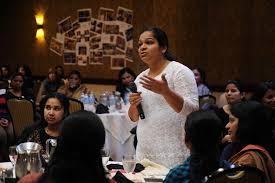
How has the roundtable discussion definition evolved?
The educational sector has also witnessed a shift in the roundtable discussion definition. Originally used to encourage student participation and peer-to-peer learning, it has grown to include interdisciplinary debates, problem-based learning sessions, and virtual classroom interactions. Educators now emphasize critical thinking, active listening, and constructive feedback, transforming the roundtable into a dynamic learning environment. The evolution reflects an understanding that effective discussions require not only equality but also engagement, preparation, and the ability to synthesize diverse viewpoints.
Culturally, the roundtable discussion definition has embraced inclusivity and diversity more prominently. In the past, roundtables were sometimes limited to experts or senior members of an organization. Today, the focus has shifted toward including multiple voices, perspectives, and even community stakeholders in decision-making processes. This cultural shift aligns with broader societal movements advocating for transparency, accountability, and participatory governance. By redefining who participates and how, the roundtable discussion has become a platform for democratic dialogue and collective intelligence.
In conclusion, the roundtable discussion definition has evolved significantly from its origins as a simple seating arrangement to a multifaceted approach to communication, learning, and decision-making. It now encompasses physical, virtual, and hybrid formats while emphasizing equality, inclusivity, and structured dialogue. As organizations and institutions continue to value collaborative input and diverse perspectives, the role of the roundtable discussion is likely to expand further, reinforcing its relevance in both professional and social contexts. Understanding this evolution helps us appreciate how dialogue, when thoughtfully structured, can drive innovation, learning, and shared understanding.