What are the benefits of a prefabrication site camp?
Prefabrication site camp
A prefabrication site camp has become an essential solution for construction and industrial projects that require temporary accommodation and operational facilities near the worksite. These camps are designed to support workers, engineers, and staff involved in large-scale projects by providing organized living spaces, offices, storage, and recreational areas. One of the key questions often asked by project managers is, “What are the benefits of a prefabrication site camp?” Understanding these advantages can help organizations make informed decisions when planning temporary infrastructure for their projects.
The primary benefit of a Prefabrication Site Camp is efficiency. Prefabricated units are manufactured off-site and delivered ready for assembly, which significantly reduces construction time compared to traditional methods. This allows workers to settle in quickly, enabling project timelines to be met without delays caused by slow housing setup. The rapid deployment of a prefabrication site camp ensures that labor and resources are utilized effectively, which is crucial for projects with strict schedules or tight deadlines.
Cost-effectiveness is another major advantage of a prefabrication site camp. Building temporary accommodation on-site using conventional construction methods can be expensive due to labor, materials, and extended timelines. Prefabricated units, by contrast, are produced in controlled environments, which reduces material waste and labor costs. Moreover, these units are often reusable, allowing companies to relocate the camp or reuse it for future projects, providing long-term financial savings and better return on investment.
Durability and safety are also notable benefits of a prefabrication site camp. These units are designed to withstand harsh environmental conditions, including extreme temperatures, heavy rain, or strong winds. Prefabricated structures can also be equipped with fire safety systems, secure locks, and reinforced walls, ensuring the protection of both personnel and equipment. For construction sites located in challenging terrains or remote locations, having a secure and durable camp is critical to maintaining operational continuity and worker welfare.
Another key advantage of a prefabrication site camp is flexibility. Prefabricated units can be arranged in various configurations to suit the specific needs of a project. They can serve as sleeping quarters, dining halls, offices, meeting rooms, medical facilities, or storage areas. Modular design also allows the camp to be expanded or reconfigured as the workforce grows or project requirements change. This adaptability makes prefabrication site camps suitable for short-term, long-term, or evolving projects without the need for extensive reconstruction.
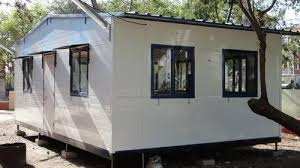
What are the benefits of a prefabrication site camp?
Sustainability is increasingly becoming a priority in construction projects, and a prefabrication site camp supports eco-friendly practices. Because the units are manufactured in controlled environments, material waste is minimized, and energy-efficient designs can be incorporated from the outset. Solar panels, water recycling systems, and proper insulation can be included in the prefabricated units, reducing the overall environmental footprint of the project. This approach not only promotes sustainable construction practices but can also help companies comply with environmental regulations.
Mobility and relocation are additional benefits of a prefabrication site camp. Since the units are modular and transportable, they can be disassembled and moved to a new site when a project is completed or relocated due to project requirements. This makes them ideal for projects that span multiple locations or industries that operate in remote or temporary areas, such as mining, oil and gas, or large infrastructure projects. The ability to relocate the camp ensures that investments in accommodation and infrastructure are maximized over multiple projects.
Comfort and well-being are also improved in prefabrication site camps compared to other temporary housing solutions. These camps can include climate-controlled rooms, proper sanitation facilities, and recreational spaces for workers. Providing comfortable living conditions has a direct impact on worker productivity, morale, and overall safety. Employees who are well-rested and have access to necessary amenities are better able to focus on their tasks, reducing accidents and enhancing project efficiency.
Operational efficiency is further enhanced through the centralized organization of a prefabrication site camp. Having offices, meeting rooms, and coordination centers within the camp allows project managers to monitor work progress, hold briefings, and manage logistics effectively. This centralization reduces downtime, improves communication, and ensures that the workforce remains organized and well-supported throughout the project duration.
In conclusion, a prefabrication site camp offers numerous benefits that make it an attractive solution for modern construction and industrial projects. From efficiency and cost-effectiveness to flexibility, durability, and sustainability, these camps provide well-organized, safe, and comfortable living and working environments. The modular nature, mobility, and adaptability of prefabricated units further enhance their value, making them suitable for a wide range of project sizes and types. For organizations aiming to optimize resources, ensure worker welfare, and maintain project timelines, a prefabrication site camp represents a strategic investment that supports operational success while minimizing environmental impact.